Can I scrape moss off my roof? This question comes up frequently when homeowners first notice green patches spreading across their tiles. The simple answer is yes, but before you grab your ladder and get started, there are important factors to consider that could save you time, money, and potential damage to your property.
Moss thrives in damp, shaded areas where organic debris accumulates on the surface of your roofing materials. Your roof provides the perfect environment, especially if you have overhanging trees or gutters that don't drain properly, limiting sunlight reaching certain areas. The moss spreads through microscopic spores, which means even after removing visible growth, new moss often appears unless you address the underlying conditions that cause it to grow. Many homeowners wonder what happens if you don’t remove moss from your roof, and the consequences include accelerated tile wear, water penetration, structural stress, and reduced roof lifespan.
The problem isn't just about how your roof looks. Moss retains moisture against tiles and shingles, which can lead to serious damage over time. Additionally, a roof covered in moss can weigh significantly more than a clean one, putting extra stress on your roof structure. Many homeowners don't think about this added weight until it's too late.
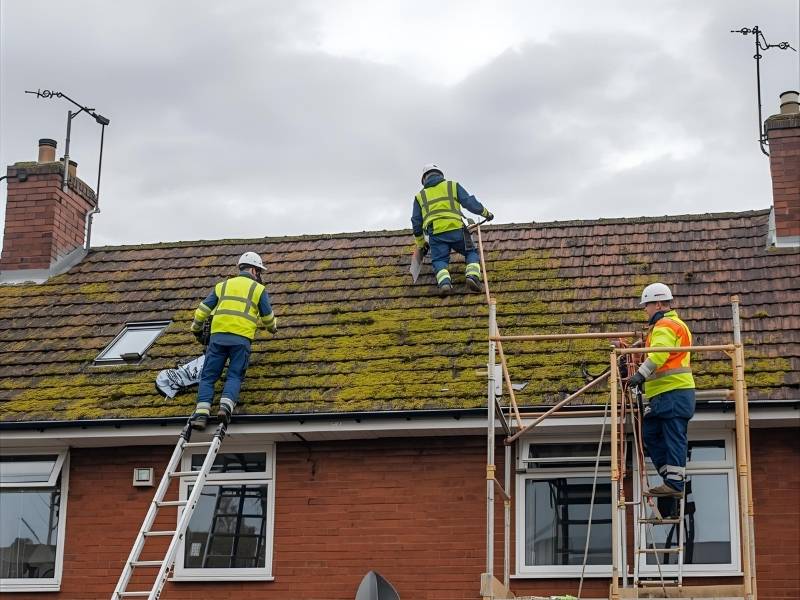
Yes, you can physically remove moss from your roof through scraping, and it's one of the most common DIY methods homeowners use. Manual scraping can improve the look of your roof immediately and provides instant relief from the added weight of moss buildup. However, this approach only tackles what you can see on the surface.
Scraping moss from your roof only provides a temporary fix, as moss can regrow within months if spores aren't treated. This method doesn't address the root cause of moss growth, which means you'll likely face the same issues again relatively quickly without proper follow-up treatment.
Scraping can be the right approach in certain situations. If you're dealing with light moss coverage and want a quick improvement to help your property look better, scraping can be effective for the short term. Many UK homeowners choose scraping as the first step, followed by a protective treatment to extend the time between cleanings.
When you're preparing for a more comprehensive cleaning treatment, removing the bulk of the moss and algae through scraping can help other methods work more effectively. If budget constraints prevent immediate action, scraping can buy you time while you plan for a more permanent solution. Always consider your long term goals when deciding on this approach.
Safety must come first when working on any roof. Moss can make roof surfaces extremely slippery, creating major hazards for anyone attempting this work without proper equipment and precautions. You'll need appropriate footwear with good grip, a safety harness, and ideally someone to help you from the ground.
Work only on a dry day when conditions are stable. Avoid walking on wet or moss covered areas until they're completely clean and dry. Check your roof's overall state before starting any work. In some cases, heavy moss growth can hide damaged or weakened tiles, and scraping it away may reveal underlying problems that need urgent attention.
For effective cleaning, gather these essential tools. A plastic scraper or soft bristled brush works best for most roofing materials. Avoid metal tools that can damage tiles or cause unnecessary wear to shingles. A pressure washer can help, but use it carefully on low settings to prevent forcing water under your roofing materials.
You'll also need a ladder that's properly secured, safety equipment including a harness and non-slip shoes, and bags for collecting the debris you remove. Consider having a second brush on hand for detailed work around gutters and areas where moss tends to accumulate.
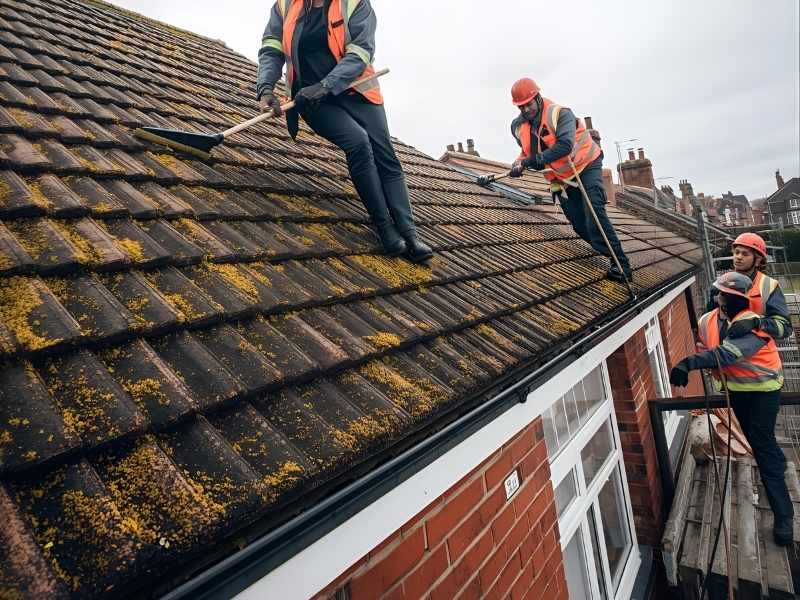
Start by clearing loose debris and leaves from your roof and gutters. This prevents additional materials from mixing with the moss as you work and helps you get a clearer view of the areas that need attention.
Begin scraping from the top of the roof and work your way down systematically. Use gentle, consistent pressure rather than aggressive scraping. Being too forceful can crack or dislodge tiles, leading to costly repairs that could have been avoided with a more careful approach.
Work in small sections, collecting the scraped moss as you go to prevent it from clogging your gutters or creating slip hazards on the ground below. Take frequent breaks and never rush through the process, as this often leads to mistakes or accidents.
While scraping removes visible moss, it doesn't address several key factors. The microscopic spores remain on your roof surface, which means regrowth is almost inevitable without additional treatment using appropriate chemicals or biocidal solutions.
Scraping also doesn't improve the underlying conditions that allowed moss to grow in the first place. Poor drainage, excessive shade, and organic debris accumulation will continue to create an environment where moss and algae can thrive and spread.
Different materials require different approaches when removing moss. Clay tiles can be more fragile than concrete ones, so you need to adjust your technique accordingly. Slate requires even more careful handling, while modern composite shingles may be more forgiving but still need gentle treatment.
Always research your specific roofing materials before starting work. What works well on one type of surface may cause damage to another. When in doubt, test your approach on a small, inconspicuous area first to see how the materials respond.
Professional cleaning services combine scraping with soft washing or chemical treatments, which can keep moss away for 3 to 5 years. This comprehensive approach addresses both visible moss and the spores that cause regrowth, offering better long term value for homeowners wondering how do professionals clean roofs so effectively compared to DIY methods.
While scraping can save money upfront, repeated regrowth often makes professional treatment more cost effective over time. Professional services also handle the safety risks and have specialized equipment for different roofing materials, reducing the chance of damage during the cleaning process.
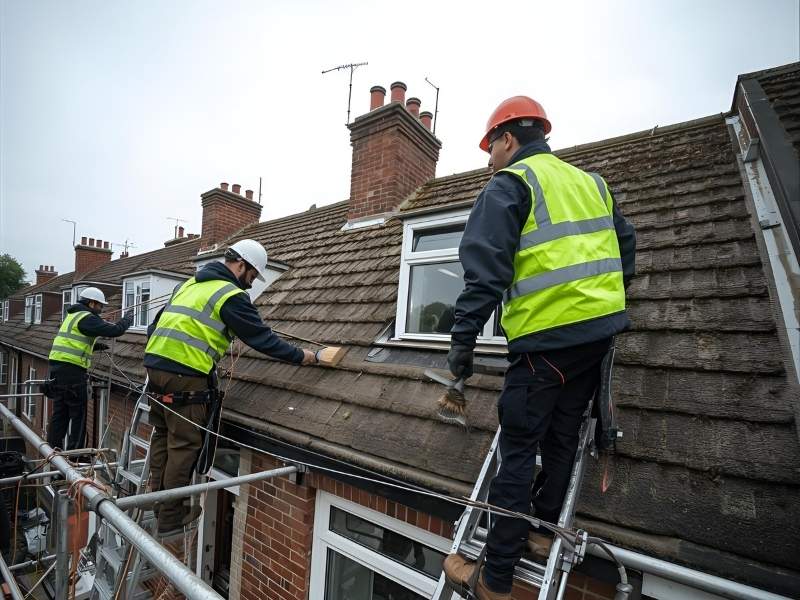
If scraping seems too risky or temporary, several alternatives exist. Soft washing uses low pressure water combined with specialized cleaning solutions to remove moss and prevent regrowth without the physical stress of scraping.
Chemical treatments can kill moss at the root level and provide longer lasting results. Zinc or copper strips installed along the ridge lead to natural moss inhibition through ion release. Some homeowners opt for pressure washing, though this requires careful technique to avoid forcing water under tiles or shingles and causing leaks.
After removing moss, focus on prevention strategies. Trim overhanging branches to increase sunlight and improve air circulation around your roof. Keep gutters clean to ensure proper drainage and prevent water from pooling in areas where moss typically starts to grow.
Consider applying a moss prevention treatment after scraping. These products create conditions that make it difficult for spores to establish new growth, helping extend the time between cleanings. Regular maintenance, including annual roof inspections, helps identify and address problems before they become serious.
Scraping moss yourself costs relatively little beyond tool purchases and your time investment. However, you should factor in the ongoing nature of the problem when calculating true costs over several years of repeated treatments.
Many homeowners also ask how much does roof cleaning cost in Sunderland, and professional moss removal typically costs between £300 and £800 for an average UK home, depending on roof size and the extent of moss coverage. While this seems expensive compared to DIY scraping, the longer lasting results often provide better value when you consider the time and effort saved.
Factor in potential costs of roof damage from improper scraping techniques or accidents. These risks can quickly outweigh any savings from the DIY approach, especially if you need to replace damaged tiles or repair leaks caused by overly aggressive cleaning.
Some situations always require professional expertise. If your roof is steep, high, or showing signs of structural issues, leave the work to experienced contractors who have the right equipment and training to work safely in challenging conditions.
When moss coverage is extensive or you discover damaged roofing materials during inspection, specialists can address multiple problems simultaneously. If you're not comfortable with heights or lack proper safety equipment, hiring professionals is the sensible choice that protects both you and your property.
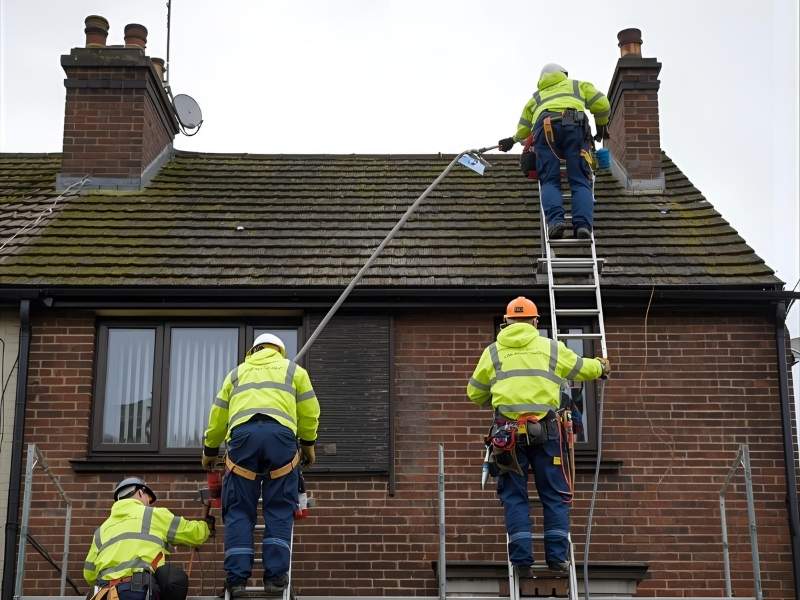
Whether you scrape moss yourself or hire specialists, ongoing maintenance protects your investment and helps prevent future problems. Regular roof inspections help catch new moss growth early when it's easier and less expensive to address effectively, often leading homeowners to consider is it worth having your roof cleaned as part of their long-term property care strategy. Many also ask how often should you treat your roof for moss in Sunderland, with most professionals recommending a treatment cycle every 3-4 years for typical properties, and more frequent attention for shaded or high-risk areas.
Keep detailed records of your moss removal efforts, including dates, methods used, and results achieved. This information helps you refine your approach over time and identify the most effective strategies for your specific roof and local conditions.
While scraping can provide immediate improvement to how your roof looks, lasting moss control requires a comprehensive approach that addresses both visible growth and underlying causes. Professional roof cleaning services have the expertise, equipment, and treatments necessary to keep your roof moss free for years to come.
At Roof Cleaning Sunderland UK, we combine safe removal techniques with preventive treatments that protect your investment over the long term. Our experienced team can assess your roof's specific needs and recommend the most effective approach for your situation. Contact us today for a free quote and discover how professional moss treatment can save you time, effort, and money while keeping your roof in excellent condition.