Moss might look harmless, but it's silently destroying UK roofs every day. Over 60% of UK homeowners only notice moss issues once it becomes visibly thick, even though early, invisible spores are already damaging roof surfaces. This costly delay means property owners face expensive repairs that could have been prevented with proper treatment timing.
Understanding how often should you treat your roof for moss can save you thousands in repair costs while protecting your property investment. The answer isn't one-size-fits-all, and depends on several critical factors we'll explore in this comprehensive guide.
Moss doesn't appear overnight on your roof. It starts with microscopic spores that drift onto roofing materials and take hold in damp, shaded areas. These spores love the UK's wet climate and establish themselves within weeks of landing on suitable surfaces. Many homeowners wonder what is the best time of year to remove moss from a roof in Sunderland, and understanding this helps plan effective treatment before significant damage occurs.
Once established, moss grows rapidly during autumn and spring when conditions are ideal. The plant's root system, called rhizoids, works its way between roof tiles and into mortar joints. This process slowly lifts and loosens materials, creating gaps where water can penetrate and cause damage.
In damp and shaded areas, untreated moss growth can increase a roof's water retention by up to four times, accelerating wear and tear. A moss-covered roof can hold as much as 18-20 gallons of water per 100 square feet, which adds unnecessary weight and increases the risk of structural strain.
The moss growth pattern typically follows this timeline: spores arrive and establish (weeks 1-4), initial moss patches appear (months 2-6), rapid expansion during wet seasons (months 6-18), and mature moss colonies that cause significant damage after 18 months. Understanding this cycle helps determine optimal treatment timing. Moss growth accelerates when conditions remain ideal for long periods.
Several variables affect how often you should treat your roof for moss removal. Climate plays the biggest role, with wetter regions requiring more frequent attention than drier areas. Properties in northern England or coastal locations typically need treatment every 2-3 years, while drier inland areas often manage with treatments every 5-6 years.
Roof orientation matters significantly for moss growth patterns. North-facing slopes receive less sunlight and stay damp longer, creating ideal conditions. These areas may need treatment twice as often as south-facing slopes that get regular sun exposure and dry out quickly.
Surrounding vegetation increases moss problems substantially. Overhanging trees provide shade, drop debris, and create the perfect environment for moss to flourish. Properties with trees close to the roofline typically require annual treatments, while those in open areas can extend intervals. Tree debris also creates blocked gutters that worsen moss issues.
Your roofing materials also influence treatment frequency. Concrete tiles with rough surfaces trap more moisture and debris than smooth clay tiles. Different materials like slate shingles and metal roofing resist moss better than felt systems, which can harbor moss in just one wet season without proper maintenance.
The UK's diverse climate means treatment schedules vary dramatically by region. Homeowners in Scotland's wet highlands might need annual treatments, while those in East Anglia's drier climate can often wait 4-5 years between professional cleaning services.
Coastal properties face unique challenges from salt-laden air that damages protective roof coatings. These areas typically require treatment every 2-3 years to maintain effective protection. The combination of moisture and salt accelerates both moss growth and coating breakdown, making regular maintenance essential.
Urban areas often have different requirements than rural locations. City properties benefit from reduced moss growth due to air pollution that creates less favorable conditions. However, they face increased debris from nearby construction and traffic that can create moss-friendly environments in gutters and roof valleys.
Mountain and hill regions experience the most severe moss problems. Higher altitudes mean more rainfall, increased humidity, and long periods of dampness. Properties above 200 meters elevation often need treatment every 18-24 months to prevent serious damage.
For typical UK homes, a treatment schedule of every 3-4 years works well in average conditions. This timing allows you to catch moss before it causes structural damage while avoiding unnecessary expense from over-treatment. Regular moss treatment can extend the lifespan of a roof by up to 10 years, as it prevents tile damage, leaks, and decay.
Homes built before 1960 often need more frequent attention due to older roofing materials and less effective drainage systems. These properties benefit from treatment every 2-3 years, with annual inspections to catch problems early and ensure proper maintenance.
Modern homes with properly designed drainage and ventilation can often extend treatment intervals to 4-5 years in favorable conditions. However, this assumes regular maintenance like gutter cleaning and minor repairs are kept current throughout the years.
First-time buyers should have their roof assessed within the first year of ownership. Previous owners may have neglected maintenance, and establishing a baseline helps create an appropriate treatment schedule going forward. When you consider that a full roof replacement costs £8,000-£15,000, spending £300-£500 every few years for professional treatment makes financial sense long-term.
Commercial properties face different challenges that often require more aggressive treatment schedules. Larger roof areas mean greater exposure to the elements and more potential problem spots where moss can establish and grow over time.
Business continuity considerations make preventive treatment essential. A moss-related roof failure that forces temporary closure costs far more than regular maintenance done properly. Most commercial properties benefit from annual inspections with treatment every 2-3 years to ensure operations continue effectively.
Industrial buildings with flat or low-pitched roofs need special attention. These designs don't shed water as effectively as pitched roofs, creating conditions where moss can take hold quickly. Such properties often require annual treatment to prevent serious issues that may cause business disruption.
Retail and hospitality businesses should prioritize appearance alongside functionality. Visible moss growth projects an image of poor maintenance that can affect customer perception. These properties often choose more frequent treatment to maintain curb appeal and professional appearance.
Health and safety regulations in commercial settings may require more frequent professional inspections and treatments. Properties in food service, healthcare, or childcare typically need annual professional assessment to maintain compliance and ensure safe working environments.
Don't wait for scheduled treatment if you notice these warning signs. Green or black patches on your roof indicate established moss colonies that are already causing damage. Even small patches can spread rapidly during wet weather conditions. Many homeowners ask what happens if you don't remove moss from your roof, and the consequences include accelerated tile wear, water penetration, structural stress, and reduced roof lifespan.
Water stains on ceilings or walls often signal that moss has compromised your roof's water resistance. The damage may be worse than visible signs suggest, requiring immediate professional assessment to prevent costly interior damage that could take months to repair.
Blocked or overflowing gutters during light rain indicate debris buildup, often from moss and organic matter washing off your roof. This suggests moss coverage has reached levels requiring urgent attention to prevent water damage and structural issues.
Loose or missing roof tiles after mild weather may indicate moss damage has compromised the roof structure. The root systems can work materials loose over time, creating entry points for water that leads to extensive damage requiring professional removal services.
Moss visible from ground level means the problem is advanced. By the time you can look up and see significant moss growth from below, treatment should be considered urgent to prevent further deterioration and costly repairs.
Clay tiles naturally resist moss better than concrete alternatives due to their smooth, fired surface. Properties with quality clay tiles can often extend treatment intervals by 12-18 months compared to concrete tile roofs under similar conditions, making them one of the best long-term investments.
Slate roofs, while durable, can develop moss problems in areas where the natural stone has weathered and become rougher. Welsh slate typically needs treatment every 4-5 years, while imported slate may require more frequent attention due to quality variations in the materials used.
Concrete tiles with textured surfaces trap moisture and debris, creating ideal conditions for moss growth. These roofing materials often need treatment every 2-3 years to maintain good condition and effectively prevent moss establishment throughout their lifespan.
Metal roofing systems resist moss growth naturally but aren't immune to problems. Scratched or damaged coatings can provide footholds for moss, particularly around fasteners and joints. Professional treatment every 5-6 years typically works best for metal roofs in good condition.
Felt and membrane roofs require the most attention due to their construction. These materials can harbor moss in just one wet season, and damage progression happens quickly. Annual inspection with treatment every 1-2 years helps prevent costly replacement needs and extends the roof's effective lifespan. Some properties use shingles as an alternative to traditional felt systems for better moss resistance.
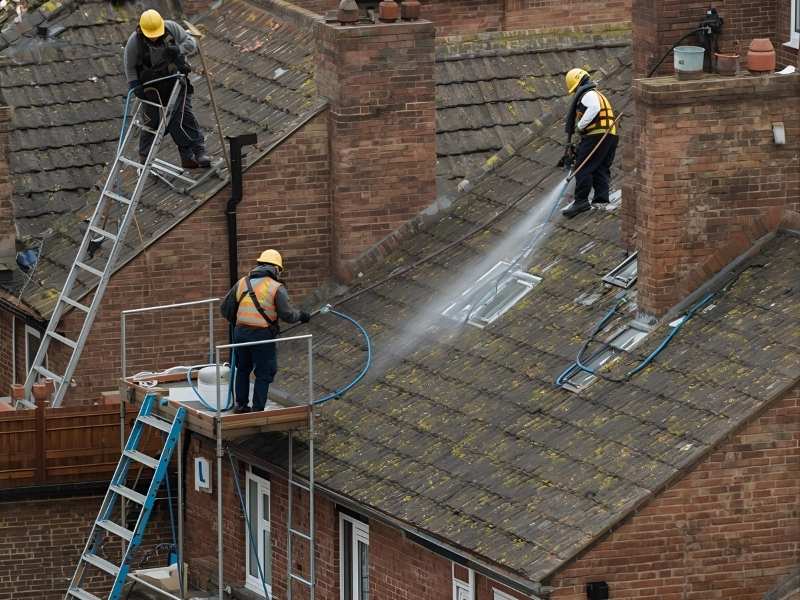
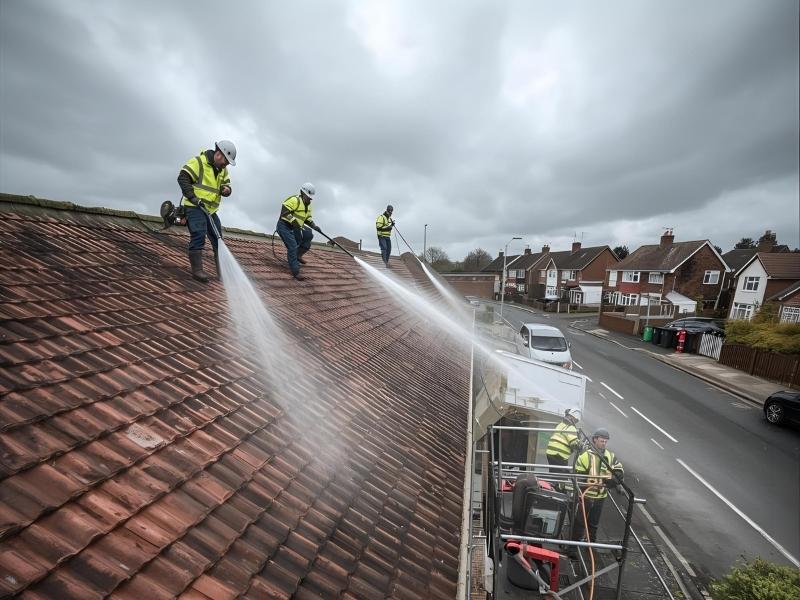
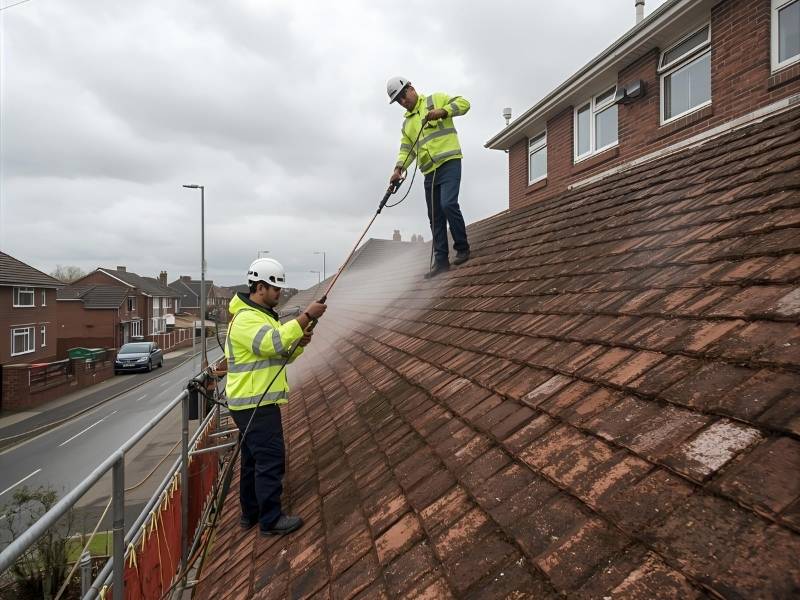
Professional treatment offers several advantages over DIY approaches for moss removal. Trained technicians can safely access all roof areas, use specialized equipment, and apply treatments that last longer than consumer products. Many homeowners ask how do professionals clean roofs, and the answer lies in the combination of pressure washing, soft washing, and biocidal treatments that remain effective for 3-5 years compared to 12-18 months for DIY solutions.
Safety considerations make professional treatment worthwhile for most properties. Working on roofs involves serious risks, and professional teams have proper equipment, insurance, and training to work safely at height. They use pressure washing systems and soft washing techniques that effectively remove moss without damaging roofing materials.
Professional treatments often include comprehensive roof inspections that identify other maintenance needs. This added value helps prevent small problems from becoming expensive repairs, making professional service cost-effective in the long run. They can also help you consider factors like roof pitch and drainage that affect moss growth.
DIY approaches work best for single-story properties with easy access and minimal moss problems. However, they typically require regular reapplication and may not address underlying issues that cause moss growth. DIY methods often can't effectively remove mature moss colonies or prevent regrowth like professional biocidal treatments. Some homeowners also ask can I scrape moss off my roof, but manual scraping rarely achieves the same thorough results as professional treatments and carries significant safety risks.
The cost difference between professional and DIY treatment narrows when you consider long-term effectiveness. While DIY products cost less upfront, professional treatments last longer and provide better results, making them more economical over time. Professional services also ensure compliance with safety regulations and environmental protection requirements.
Regular gutter cleaning prevents water overflow that creates moss-friendly conditions. Clean gutters twice yearly, removing all debris and checking for proper drainage. Standing water in blocked gutters creates ideal conditions for moss spores to establish and grow on nearby roofing materials.
Tree management reduces moss problems significantly throughout the years. Trim overhanging branches to increase sunlight and air circulation across your roof surfaces. Remove dead branches that might fall and damage protective coatings or tiles, and consider how trees affect the shaded areas of your roof.
Annual roof inspections help identify problems before they become serious maintenance issues. Look for damaged tiles, blocked drainage, and early moss growth patterns. Early intervention costs far less than major treatments or repairs, and helps prevent moss from taking hold in ideal conditions.
Protective roof coatings can extend treatment intervals significantly. Some roof coatings and biocidal treatments can delay moss regrowth for up to 10 years, but most require reapplication every 3-5 years for best results. These coatings work effectively to prevent spores from establishing on roofing materials.
Ventilation improvements reduce moisture buildup that encourages moss growth in damp conditions. Ensure adequate roof ventilation and consider upgrading systems in problematic areas like roof valleys. Good ventilation helps prevent the ideal conditions that allow moss to flourish and grow rapidly.
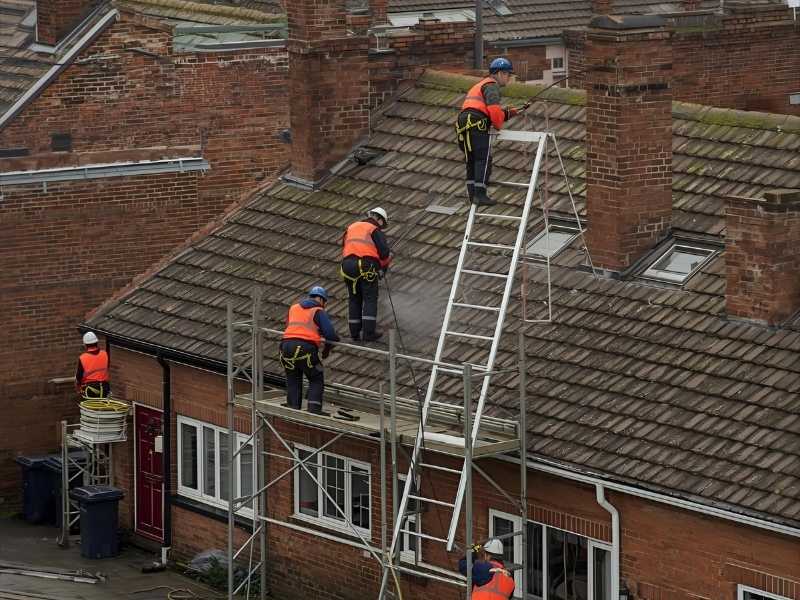
Professional moss treatment typically costs £300-£800 for average domestic properties, depending on roof size and treatment complexity. Commercial properties might pay £1,000-£3,000 for comprehensive treatment, but this investment prevents much larger expenses over the years. Many homeowners ask how much does roof cleaning cost in Sunderland, and also question is it worth having your roof cleaned, given the upfront cost versus long-term benefits.
Preventive treatments are often less than half the cost of a full moss removal and repair job if the problem is left to spread unchecked. Early treatment costs £300-£500, while emergency repair and cleaning can exceed £1,500-£2,000. These costs make regular maintenance one of the best investments you can make.
Insurance considerations make regular treatment financially smart for many properties. Some policies require proof of regular maintenance to cover moss-related damage. Treatment records demonstrate responsible property management that insurers value and may help with claims processes.
Property value protection justifies treatment costs over the long term. Moss-damaged roofs significantly impact property values and can delay or derail sales. Regular treatment maintains curb appeal and structural integrity that helps protect your investment and ensure your home remains attractive to potential buyers.
A routine roof inspection and moss treatment can reduce the risk of major roof repairs by over 40% in the long term. This statistic makes treatment costs insignificant compared to potential repair expenses that could run into tens of thousands of pounds if problems are left unchecked.
Spring treatments work well for catching moss before summer growth periods. Treatment in April or May allows chemicals time to work before peak growing seasons and gives roofs time to dry before winter weather returns. Many homeowners ask what is the best time of year to clean your roof in Sunderland, and spring timing ensures treatments take effect when conditions become ideal for moss prevention.
Autumn treatment, typically September or October, prepares roofs for winter weather when moss damage accelerates. This timing helps prevent moss from establishing during wet winter months when conditions are ideal for growth. Autumn treatments also ensure your roof is protected during the wettest time of year.
Avoid treatment during frost or freezing weather when chemicals won't work effectively to remove moss or prevent regrowth. Similarly, very hot weather can cause rapid chemical breakdown before treatment takes full effect. Professional services typically wait for suitable weather windows to ensure treatments work properly.
Weather considerations matter significantly for treatment success. Schedule work during settled weather periods with several dry days forecast. This ensures chemicals have time to work without being washed away by rain, and allows proper drying time for best results.
Consider your property's specific conditions when timing treatment. North-facing roofs benefit from spring treatment when they'll receive maximum sun exposure, while south-facing areas can be treated effectively in autumn. Professional assessment helps determine the best timing for your specific situation.
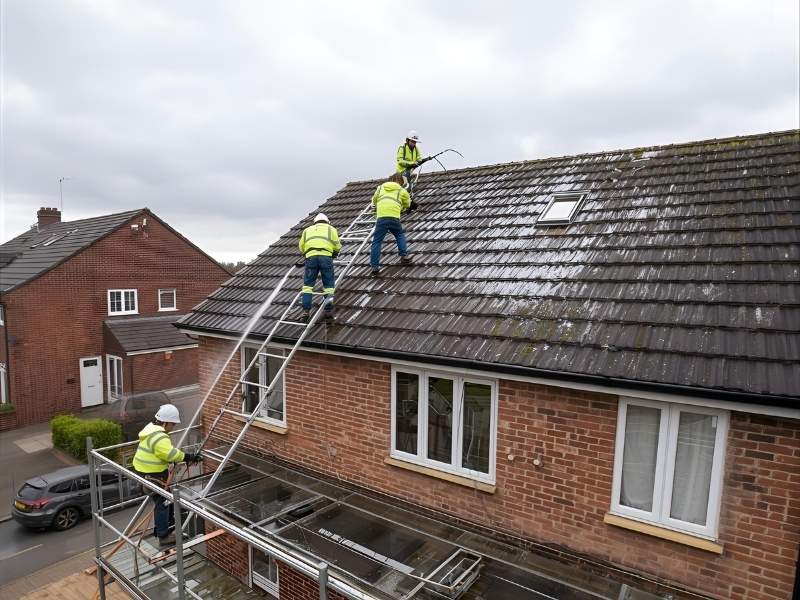
Soft washing techniques use low-pressure application of specialized biocides that kill moss without damaging roofing materials. This method works particularly well on delicate surfaces like slate or older tiles that might crack under pressure washing systems. Soft treatments effectively remove moss while protecting the underlying materials.
Steam treatment offers an environmentally friendly alternative that uses superheated steam to kill moss and remove buildup. While more expensive than chemical treatments, steam cleaning leaves no chemical residues and works immediately to remove moss from roof surfaces without environmental concerns.
Biocidal treatments available in the UK include products containing benzalkonium chloride and other approved moss-killing compounds. These treatments typically last 2-4 years and prevent regrowth more effectively than simple pressure washing alone. Professional application ensures these products work optimally.
Protective coating systems combine moss treatment with long-term prevention. These coatings seal roof surfaces while providing ongoing protection against moss establishment for 5-10 years depending on the product used. They help prevent the ideal conditions that allow moss to take hold and grow.
Modern application equipment ensures even coverage and reduces waste. Professional teams use specialized sprayers and foam systems that deliver consistent results across the entire roof surface, ensuring all areas receive effective treatment and helping maximize the time between required retreatments.
Runoff management protects gardens, driveways, and water systems from chemical treatment residues. Professional services use containment systems and neutralizing agents to minimize environmental impact during treatment. They ensure chemicals don't wash into areas where they could cause environmental damage.
Eco-friendly treatment options include biodegradable moss killers and steam cleaning that eliminate chemical concerns entirely. These methods cost more but provide peace of mind for environmentally conscious property owners who want to protect their surroundings while still getting effective moss removal.
Timing treatments to minimize environmental impact means avoiding windy conditions that might carry chemicals to unintended areas. Professional services ensure adequate drying time before rainfall that could create runoff issues, and use containment methods to protect sensitive areas.
Wildlife protection measures include covering water features, moving outdoor pet items, and scheduling treatment when birds and other animals are least likely to be affected by chemical applications. Professional services take these precautions to ensure environmental safety throughout the treatment process.
Proper disposal of moss debris prevents spreading viable spores to other areas of your property. Professional services typically remove moss waste appropriately, preventing reestablishment in garden areas or compost heaps. This helps ensure treatments work effectively long-term and prevents moss from spreading to new areas.
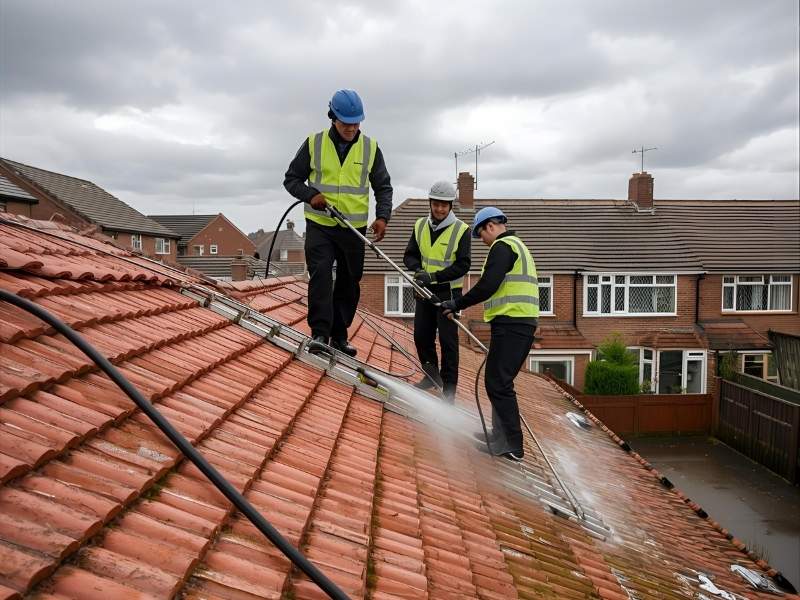
Creating a comprehensive maintenance schedule integrates moss treatment with other roof care needs. Coordinate treatments with gutter cleaning, tile inspections, and chimney maintenance for maximum efficiency and cost effectiveness. This approach helps ensure all aspects of roof health are maintained properly over time.
Documentation helps track treatment history and plan future needs effectively. Keep records of treatment dates, products used, and any issues identified during service visits. This information helps professionals provide better service and may be required for warranty claims or insurance purposes.
Professional partnerships with reliable service providers ensure consistent quality and availability when treatment is needed. Establishing relationships with trusted professionals often results in better pricing and priority scheduling. Many companies offer maintenance contracts that help keep costs predictable over the years.
Regular inspections between treatments help identify problems early before they become serious. Annual visual inspections from ground level can spot developing issues that need professional attention. Early identification allows you to address problems when they're still small and manageable.
Budget planning makes regular treatment affordable by spreading costs over time effectively. Setting aside £100-£150 annually covers most domestic treatment needs without creating financial strain when service is required. This approach helps ensure you can always afford proper maintenance to protect your investment.
Don't wait until moss damage becomes visible from ground level. Our experienced team at Roof Cleaning Sunderland UK provides comprehensive roof assessments that identify moss problems early and recommend the most cost-effective treatment schedule for your specific property needs.
We understand that every roof is different, and our assessment considers your roofing materials, local environmental conditions, surrounding vegetation, and budget requirements. Our team has extensive experience with both domestic and commercial properties throughout the region, ensuring we can effectively help you protect your investment.
During our free assessment, we'll inspect your entire roof system, identify any existing moss problems, evaluate risk factors that affect treatment frequency, and provide a detailed quote for recommended services. We'll also explain preventive measures you can take to extend treatment intervals and protect your investment over the long term.
Our treatment methods use UK-approved products applied by trained, insured professionals who prioritize both effectiveness and safety. We guarantee our work and provide ongoing maintenance advice to help you protect your property between treatments. Our services are designed to help prevent the costly damage that untreated moss problems always cause over time.
Contact Roof Cleaning Sunderland UK today to schedule your free roof assessment. Take the first step toward protecting your property with a customized moss treatment plan that fits your needs and budget. Early action saves money and helps prevent the extensive damage that can occur when moss problems are left untreated for too long.